With the rapid growth of technology, modern infrastructure is also becoming smarter, larger, and more electrically dependent than ever before. From the past few years, the demand of Cable Tray System has evolved in all the industries from commercial buildings and manufacturing plants to airports, data centers, hospitals, and renewable energy facilities, every project today relies heavily on efficient electrical and communication systems. The cable Tray System plays a vital role in these systems.
It is considered as backbone of organized cable management in modern infrastructure. These electrical cables are safely routed, protected, accessible, and maintained efficiently across industrial and commercial environments. Considering the growth of infrastructure projects and the other industries, the dependency of cable tray continue to expand in scale and complexity, cable tray systems have become an essential part of safe, reliable, and future-ready construction.
Overview of Cable Tray System
A cable tray system is a structural support system used to safely hold and organize electrical cables, power distribution lines, communication wires, and instrumentation cables. Instead of running wires through enclosed conduits, cable trays provide an open and accessible pathway that simplifies installation, maintenance, and future expansion.
Cable trays are commonly manufactured using:
- Galvanized Iron (GI)
- Stainless steel
- Aluminum
- Mild steel
- Powder-coated materials
These systems are designed to support cables in both indoor and outdoor environments while protecting them from mechanical damage, overheating, and disorganized installations.
Why Cable Management Matters in Modern Infrastructure?
Every Industry irrespective of its nature requires electrical cable which ultimately required massive electrical networks. Poor cable management can leads to electrical hazard, Fire risks, Downtime and maintenance issues, Difficult troubleshooting, reduced operational efficiency and higher installation costs
Luckily, cable tray systems solve these challenges by creating a structured and scalable cable management framework. In large projects, thousands of cables may run simultaneously through buildings and facilities. Without proper Cable support systems, these cables become difficult to manage, inspect, or upgrade. This is why cable trays are now considered a standard requirement in modern electrical infrastructure.
Advantages of Cable Tray Systems
Check out the list of benefits that cable tray systems provide to industries:
1. Improved Safety and Fire Protection
Safety is one of the biggest reasons infrastructure projects rely on cable tray systems. Properly installed cable trays:
- Prevent cable overheating
- Reduce cable congestion
- Minimize short-circuit risks
- Improve ventilation around cables
- Support fire-resistant cable layouts
In industries like oil & gas, manufacturing, hospitals, and data centers, electrical safety is critical. Organized cable routing helps reduce accidents and supports compliance with industrial safety standards. Additionally, open cable tray designs allow heat generated by cables to dissipate more effectively compared to enclosed wiring systems.
2. Better Cable Organization
Modern facilities require power, networking, automation, security, and communication systems to operate together. Cable tray systems help organize these multiple cable networks efficiently. Benefits include:
- Easier cable identification
- Cleaner installations
- Reduced wiring confusion
- Faster maintenance
- Improved aesthetics in commercial buildings
Well-organized cable systems also make future troubleshooting significantly easier for maintenance teams.
3. Scalability for Future Expansion
Infrastructure projects are rarely static. Businesses grow, technologies evolve, and facilities often expand over time. One major advantage of cable tray systems is flexibility. New cables can be added easily without major structural modifications. This makes cable trays ideal for:
- Smart buildings
- Data centers
- Industrial automation facilities
- Renewable energy plants
- IT parks
- Commercial complexes
As organizations upgrade systems or increase electrical loads, cable trays simplify expansion without disrupting operations.
4. Faster Installation and Reduced Project Time
Compared to traditional conduit systems, cable tray installations are much faster. Cable trays allow:
- Quick cable laying
- Easier routing
- Reduced labor requirements
- Faster project execution
In large-scale infrastructure projects where timelines are critical, reducing installation time directly impacts overall project costs and efficiency. This is one reason why contractors and engineers increasingly prefer cable tray systems for commercial and industrial developments
5. Easier Maintenance and Troubleshooting
Maintenance accessibility is a major challenge in complex electrical systems. Cable tray systems provide open access to cables, making it easier to:
- Inspect wiring
- Detect faults
- Replace damaged cables
- Perform upgrades
- Conduct preventive maintenance
This accessibility helps reduce downtime and maintenance costs, especially in mission-critical facilities like hospitals, airports, factories, and data centers.
6. High Load-Bearing Capacity
Modern infrastructure projects require support for heavy electrical and communication cabling. Cable tray systems are engineered to handle substantial cable loads while maintaining structural integrity. Different tray designs are available for various applications, including:
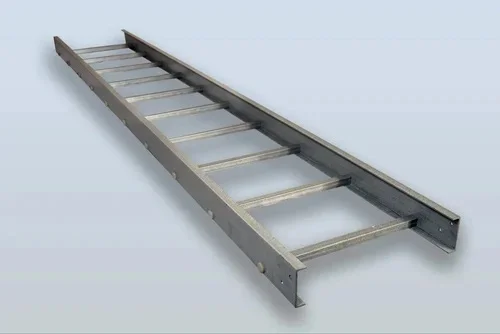
- Ladder cable trays
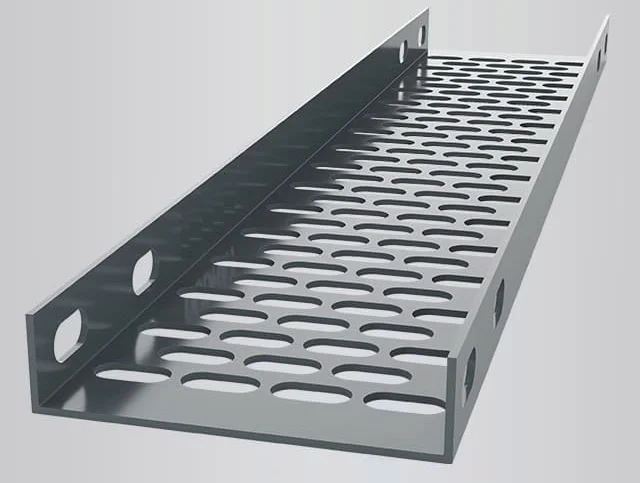
- Perforated cable trays
- Wire mesh trays
- Raceway systems
- Channel trays
Each design serves specific load capacities and environmental requirements
7. Smart infrastructure relies on interconnected systems including
- IoT devices
- Building automation
- Surveillance systems
- Networking infrastructure
- Energy management systems
- Industrial automation
These technologies require large volumes of organized cabling. Cable tray systems support this digital transformation by creating reliable pathways for high-density cable networks. As smart cities and intelligent buildings continue to develop, cable management infrastructure becomes even more important. Industries That Depend on Cable Tray Systems
Industries or Applications of Cable Tray Systems
The cable tray system has become the needs of almost every industry. Go through the list of Industries or application where cable trays systems are required:
- Commercial buildings: Office towers, malls, hotels, and business parks require organized electrical distribution systems.
- Manufacturing plants: Factories use cable trays to support automation systems, machinery wiring, and power distribution.
- Data centers: High-density networking and power cables require efficient airflow and structured routing.
- Hospitals: Critical healthcare systems depend on reliable and safe electrical infrastructure.
- Renewable energy projects: Solar plants and wind farms use cable trays for power transmission and equipment connectivity.
- Airports and metro rail: Large transportation infrastructure projects rely heavily on advanced cable management systems.
Types of Cable Tray Systems Used in Infrastructure
- Ladder cable trays: Ideal for heavy-duty industrial applications and long cable spans.
- Perforated cable trays: Provide ventilation and support for medium-weight cables.
- Wire mesh cable trays: Suitable for lightweight networking and data cables.
- FRP cable trays: Corrosion-resistant and lightweight trays ideal for chemical, marine, and outdoor environments.
- Raceway cable tray: Designed to securely organize and protect cables in commercial and industrial electrical systems.
The Role of Material Quality in Cable Tray Performance
The durability of cable tray systems depends heavily on material quality and manufacturing standards. High-quality trays provide.
- Corrosion resistance
- Long service life
- Structural strength
- Better load capacity
- Reduced maintenance costs
Industries operating in harsh environments often prefer galvanized or stainless-steel cable trays for enhanced durability. Quality manufacturing and precision engineering are essential to ensure long-term reliability.
Sustainability and Modern Infrastructure
Sustainable infrastructure development is becoming a major global priority. Cable tray systems contribute to sustainability by:
- Reducing material waste
- Supporting energy-efficient systems
- Simplifying upgrades instead of full replacements
- Increasing infrastructure lifespan
Many modern projects now prioritize recyclable and corrosion-resistant materials to improve environmental performance.
Future of Cable Tray Systems
As infrastructure continues evolving, cable tray systems are becoming more advanced and intelligent. Emerging trends include:
- Smart cable monitoring systems
- Fire-resistant cable management
- Corrosion-proof coatings
- Modular tray designs
- Lightweight high-strength materials
- Integration with Industry 4.0 systems
With rapid growth in automation, renewable energy, and digital infrastructure, demand for advanced cable management solutions is expected to increase significantly.
Conclusion
Hence, cable tray systems are no longer just supporting components in infrastructure projects — they are a critical foundation for safe, organized, scalable, and efficient electrical systems. From improving safety and reducing installation time to enabling future expansion and supporting smart technologies, cable trays play a vital role in modern construction and industrial development.
As infrastructure projects become more technologically advanced, the importance of reliable cable management systems will continue to grow. Choosing high-quality cable tray solutions not only improves operational efficiency but also ensures long-term reliability, safety, and performance across every stage of infrastructure development.