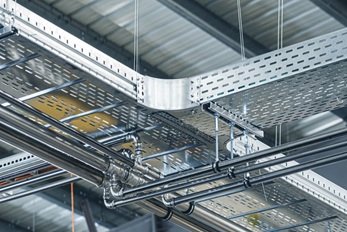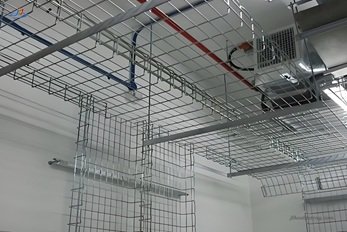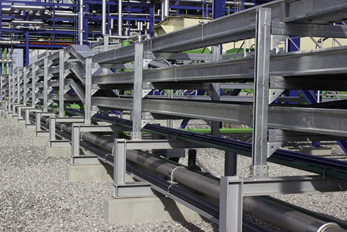
Applications of Cable Trays Cable trays are essential components in modern electrical and cable management systems. They provide a safe, organized, and efficient method for routing and supporting cables across various environments. Here are the key applications of cable trays
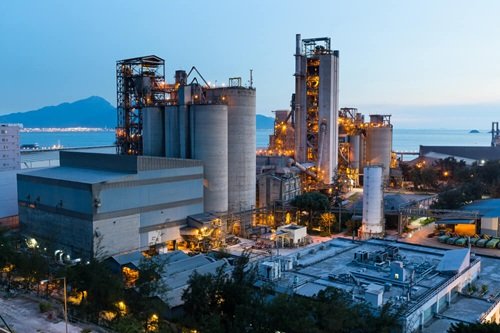
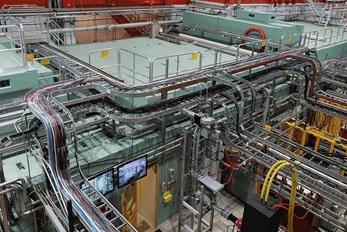
Cable trays are widely used in industries such as manufacturing, automotive, oil & gas,
and chemical plants. They help organize power and control cables, ensuring operational
efficiency and safety.
Applications: Routing cables for machinery, control
panels, and industrial
equipment.
Benefits: High durability, corrosion resistance, and handling heavy loads.

From office complexes to retail centers, cable trays manage electrical wiring, data cables,
and communication systems efficiently.
Applications: Network cables, HVAC control systems, lighting circuits.
Benefits: Aesthetic appeal, ease of maintenance, adaptability for
expansions.

Airports, railway stations, and highways rely on cable trays for seamless cable management.
Applications: Power distribution, signaling systems, communication
networks.
Benefits: Environmental resistance and scalability for large-scale
projects.
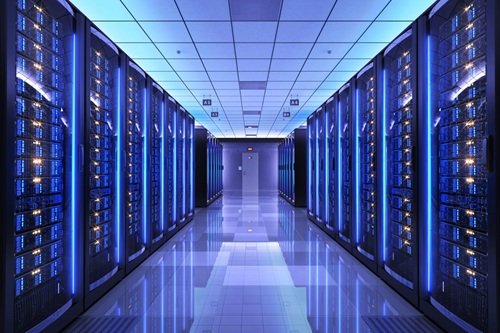
Cable trays ensure efficient cable management essential for performance and reliability.
Applications: Routing fiber optic, power, and network cables.
Benefits: Better airflow, reduced clutter, simplified troubleshooting.

Used in solar, wind, and hydro plants to manage power and control cables.
Applications: PV panel wiring, connecting turbines/generators to the grid.
Benefits: UV & weather resistance, long life in harsh environments.
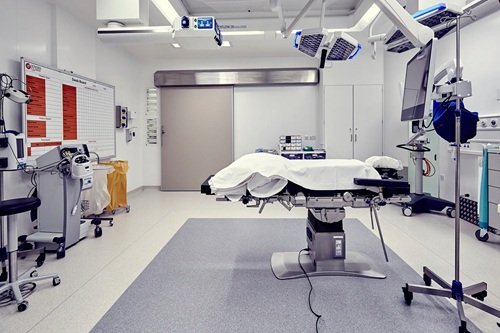
Hospitals require organized cable management for sensitive equipment.
Applications: Imaging systems, life-support equipment, lighting.
Benefits: Hygienic, fire-resistant, safe for medical environments.
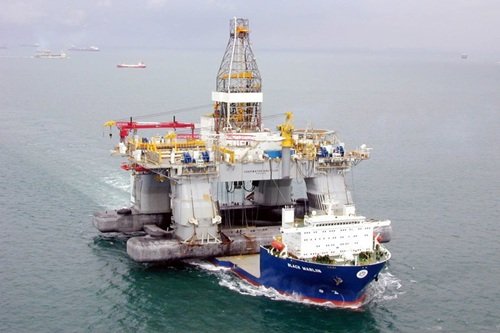
Essential for ships and oil rigs where corrosion resistance is critical.
Applications: Routing power & communication cables across decks.
Benefits: Weatherproof, corrosion-resistant, robust construction.
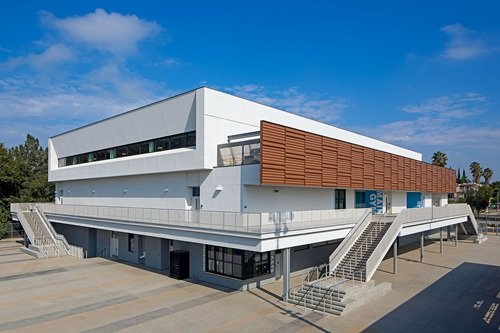
Used in schools, universities, and government facilities for power and communication
systems.
Applications: Lighting systems, PA systems, computer networks.
Benefits: Cost-effective, easy maintenance.